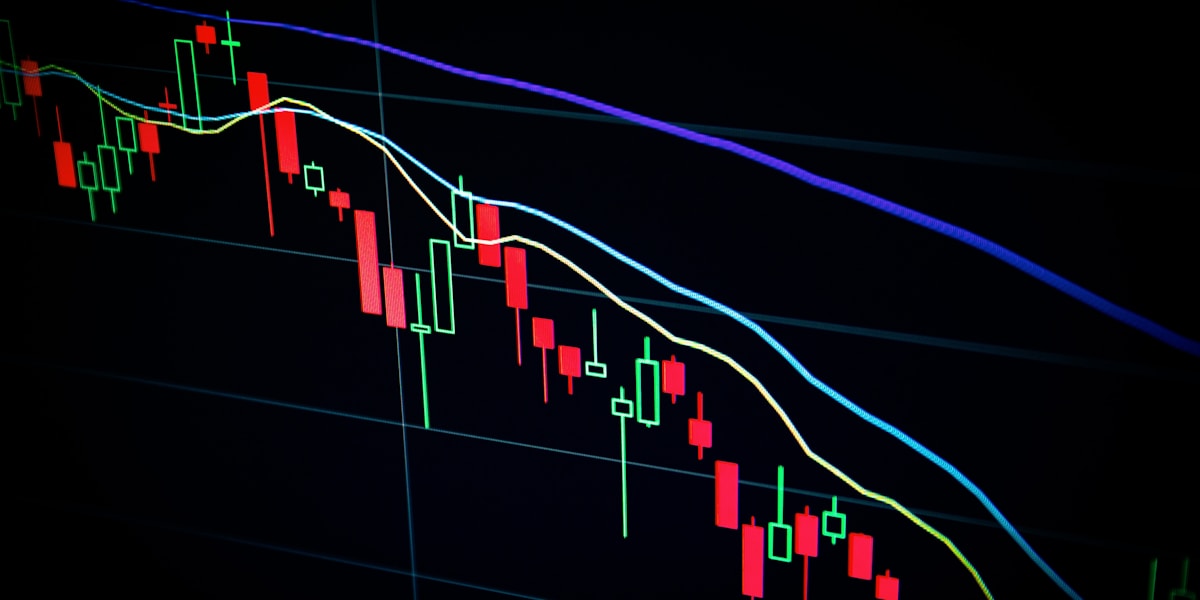
Understanding Market Volatility
Market volatility is inevitable. Stocks fluctuate due to economic data, geopolitical events, earnings surprises, and investor sentiment shifts. Successful investors don't avoid volatility—they prepare for it and capitalize on opportunities it creates.
Why Volatility Creates Opportunity
Market Overreactions
Fear-driven selloffs often push quality companies below intrinsic value. Patient investors with cash reserves can acquire excellent businesses at discount prices during panic.
Forced Selling
Margin calls, fund redemptions, and panic selling create temporary mispricings disconnected from business fundamentals. These dislocations present buying opportunities for prepared investors.
Building a Crisis-Proof Portfolio
1. Maintain Cash Reserves
Hold 10-20% in cash or short-term bonds to capitalize on market crashes. Cash is optionality—the ability to act when others cannot.
2. Quality Over Everything
Focus on companies with strong balance sheets, positive cash flow, competitive advantages, and experienced management.
- Low debt-to-equity ratios (under 0.5 preferred)
- Strong interest coverage (EBIT/Interest above 5x)
- Recession-resistant business models
- Pricing power to offset inflation
3. Dollar-Cost Averaging
Invest fixed amounts regularly regardless of market conditions. This disciplined approach ensures you buy more shares when prices are low.
What NOT to Do During Volatility
- Don't panic sell: Locking in losses guarantees you don't recover
- Don't check prices constantly: Short-term noise creates emotional decisions
- Don't use leverage: Margin magnifies losses and can force selling at the worst times
- Don't try to time the bottom: Impossible to predict. Better to buy gradually
Historical Perspective
Every major market decline has been followed by recovery and new highs. Investors who stayed invested or bought during crashes significantly outperformed those who sold.
Conclusion
Market volatility tests investor discipline but rewards preparation. By maintaining cash reserves, focusing on quality, and avoiding emotional decisions, investors can protect portfolios during crashes while positioning for subsequent recoveries.